
How 3,000–5,000 Seat Arenas Deliver Value Beyond Game Day
Outsourced management of collegiate arenas allows small and mid-sized university venues to deliver year-round value beyond varsity athletics. Collegiate arenas in the 3,000–5,000 seat range occupy a distinctive place in the sports and events landscape. Large enough to host meaningful competition and destination events, these venues remain closely tied to their communities. Institutions often evaluate them primarily through the lens of varsity athletics. However, the most successful facilities program for value across the entire academic year.
In practice, venues layer youth sports, community-scaled events, and creative programming alongside varsity competition. Done well, this approach generates incremental revenue, strengthens community relevance, and brings institutional mission to life. As Brailsford & Dunlavey’s operating arm, CENTERS delivers this vision through disciplined, day-to-day execution. Recent programming at two B&D-planned venues illustrates how small and mid-sized collegiate arenas can unlock year-round value without compromising their core athletic purpose.
 Programming Small and Mid-Sized Collegiate Arenas Across the Academic Year
For most collegiate venues, success is dictated less by a single sport season and more by how effectively the building is programmed across the academic calendar. Volleyball anchors the fall. Basketball dominates the winter. Spring brings graduations, concerts, and campus traditions. Between and alongside these peak varsity windows are shoulder dates. These periods present both operational challenges and meaningful opportunities.
In practice, youth sports tournaments and community events increasingly fill this space. Nationally, youth sports continue to be one of the most reliable drivers of sports tourism, bringing predictable attendance and regional travel demand. As a result, these events complement varsity schedules rather than compete with them. This is especially true when they align with staffing models, operational readiness, and community partnerships.
Community Integration Through Outsourced Management in a Traditional Collegiate Arena
Joan Perry Brock Center
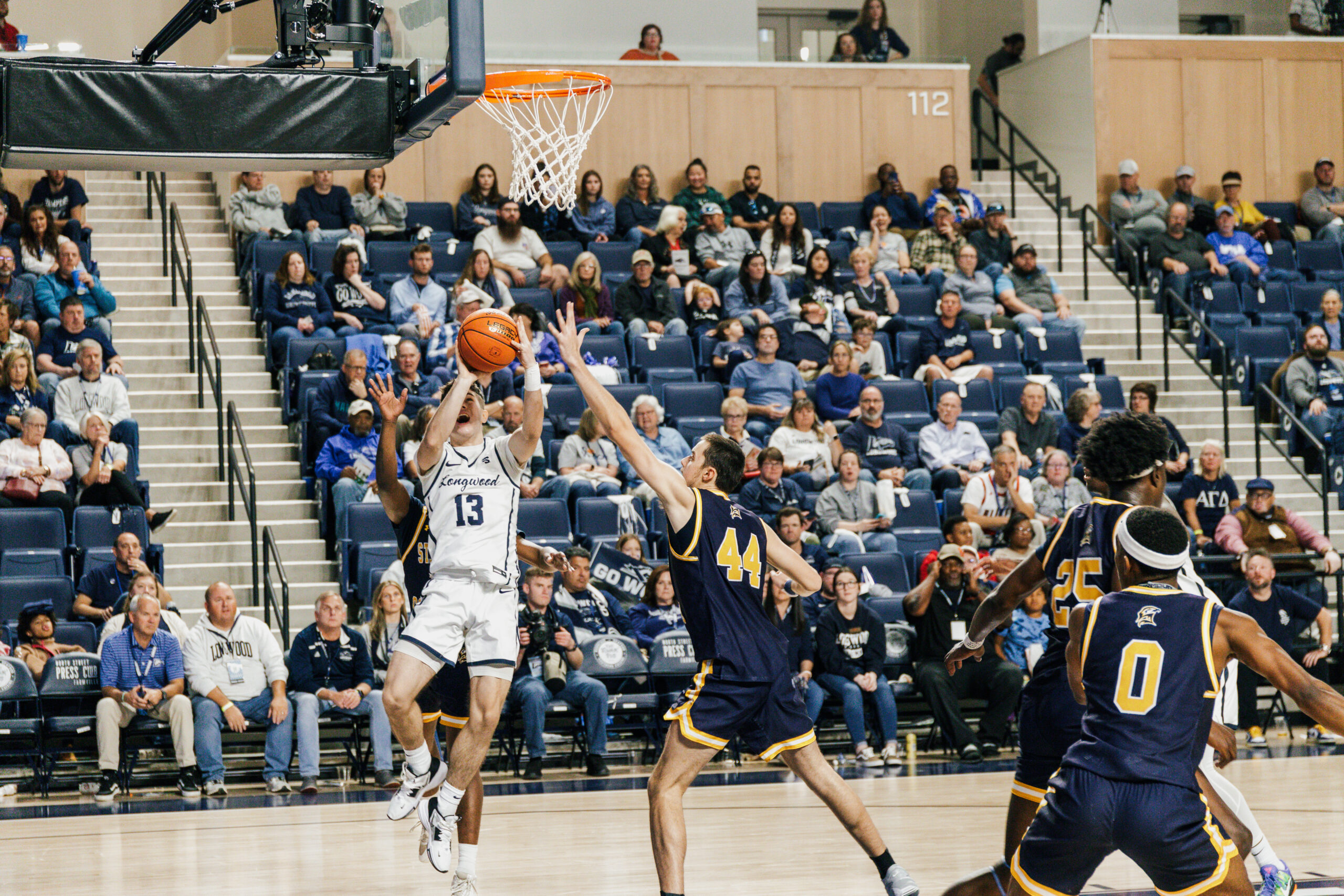
At Longwood University, the Joan Perry Brock Center demonstrates how a traditional, single-bowl collegiate arena can function as both a competitive athletics venue and a community anchor.
During the height of conference basketball season, the arena continues to host events that deepen local engagement and expand utilization. Annual high school homecoming games for Prince Edward County High School regularly draw more than 1,000 attendees. These events reinforce town-gown relationships and introduce new audiences to the facility. Touring family entertainment, including the Harlem Globetrotters’ 100-Year Tour, fills out shoulder dates with multigenerational appeal and dependable attendance.
Community-focused programming extends beyond sports. Recurring specialty expos activate the building on nontraditional event days, while spring graduations anchor the academic calendar with predictable, high-impact use. This year, Longwood’s Spring Weekend Concert moves indoors for the first time, reflecting deeper collaboration among the venue, student government, and campus partners. By pooling institutional resources, the university elevates production quality while improving cost recovery, aligning student experience with financial stewardship.
Management teams intentionally schedule and operationally integrate these events, leveraging staff and systems already mobilized for varsity competition.
Multi-Sport Flexibility and Year-Round Utilization in a Hybrid Collegiate Venue
The Sonnentag
 At the University of Wisconsin–Eau Claire, The Sonnentag illustrates how hybrid design paired with disciplined operations extends utilization across seasons. In addition to a collegiate basketball arena, the facility includes an attached fieldhouse that supports concurrent and multi-sport programming, a critical advantage in cold-weather markets.
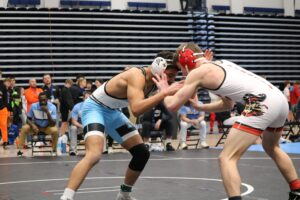
For example, youth wrestling tournaments such as the North Husky Invite draw teams from multiple states for single-day competition. These events host hundreds of athletes and thousands of matches entirely under one roof. Volleyball, basketball, and indoor softball activity sustain use throughout Wisconsin winters, while the event center transitions seamlessly between commencements, varsity games, and sold-out concerts.
Operational agility is central to this model. In one recent three-day span, The Sonnentag hosted commencement for more than 3,000 attendees, a collegiate basketball game, and a major touring concert on consecutive days. As a result, teams execute rapid changeovers through coordinated staffing and rigorous planning. Each event is delivered without compromise.
 National Touring Relationships That Strengthen Local Collegiate Venues
Both venues benefit from CENTERS’ long-standing relationship with the Harlem Globetrotters, making them trusted stops when tours are routed nationally. For collegiate arenas, these relationships play a critical role. A strong national operating reputation improves access to high-quality touring content, which in turn elevates local programming and strengthens community trust.
That same dynamic extends beyond sports. At The Sonnentag, nationally recognized performers such as Lindsey Stirling are becoming reliable anchors for seasonal programming. Strong audience response and operational success position these events for repeat engagement as tours are routed in future years. Other major touring acts, including Bob Dylan and Jeff Foxworthy, further demonstrate the venue’s ability to support a wide range of high-profile performances across genres and audiences.
National credibility also enables creative programming outside the academic calendar. During periods when varsity athletics are out of season, The Sonnentag serves as home to the Eau Claire Axemen, a professional indoor football team competing in The Arena League. Their schedule layers family-friendly games, themed nights, concerts, and community events into traditionally quieter windows, extending the venue’s relevance and utilization.
In practice, national relationships support local success. When touring partners, promoters, and leagues know a venue can deliver consistently, those events return. Over time, they become dependable calendar anchors that strengthen community engagement while supporting long-term financial performance
What Successful Small and Mid-Sized Collegiate Venues Have in Common
While The Sonnentag and the Joan Perry Brock Center differ in configuration, their success is driven by the same core principles.
- Intentional scheduling that complements varsity athletics.
- Youth sports and family-friendly events that drive repeat visitation.
- Operational readiness that supports rapid transitions and varied event types.
- Mission-aligned programming that balances community access with financial sustainability
This alignment reflects the connection between planning and operations. Brailsford & Dunlavey establishes the strategic framework and long-term intent. CENTERS delivers that intent through hands-on management, ensuring venues perform as envisioned once they open. These outcomes are consistently achieved through outsourced management of collegiate arenas, where planning intent is matched with operational execution.
A Replicable Outsourced Management Model for Mid-Sized Collegiate Arenas
For institutions investing in 3,000–5,000 seat arenas, long-term value is not defined by a single sport or headline event. Instead, effective programming across the academic year shapes long-term value. Deep community engagement and strong operations support both mission and margin.
As a result, when planning vision is matched with disciplined execution, small and mid-sized collegiate arenas become year-round assets. They strengthen campus life, support regional activity, and deliver lasting return on investment.

From Vision to Operations: Brailsford & Dunlavey is a nationally recognized planning and advisory firm specializing in complex, mixed-use sports and event venues. CENTERS, B&D’s operating arm, brings that vision to life through day-to-day management of collegiate arenas, recreation centers, fieldhouses, and campus life facilities nationwide. Together, B&D and CENTERS align planning, design, and operations to help institutions unlock long-term value from their campus assets. For institutions evaluating outsourced management of collegiate arenas, this model offers a clear path to year-round performance and community impact.
About the Authors
 Steve Kirk serves as General Manager at The Sonnentag, a 225,000-square-foot sports and events complex at the University of Wisconsin–Eau Claire managed by CENTERS. He oversees facility operations, event management, scheduling, staff leadership, and community partnerships across a highly active academic year calendar. Steve brings more than 20 years of experience in arena and athletics facility management, including senior leadership roles at the Duluth Heritage Sports Center and the University of Wisconsin–Superior. Earlier in his career, he supported varsity athletics communications and operations at Yale University, an experience that informs his understanding of how high-profile institutions balance tradition, community use, and modern venue operations. His background in multi-sport programming and collegiate facility management directly supports The Sonnentag’s ability to layer youth sports, touring events, and seasonal programming alongside varsity athletics.
 Craig Stover serves as General Manager of the Joan Perry Brock Center at Longwood University, where he leads overall facility operations, event booking and scheduling, capital improvements, and long-range asset planning. Craig brings more than 20 years of experience managing some of the most recognizable venues in the country, including nearly nine years as Senior Director of Operations at PNC Arena, home of the NHL’s Carolina Hurricanes. His career also includes operational leadership roles at Madison Square Garden, T-Mobile Center, and Spectrum Center, where he supported high-profile professional sports, concerts, and nationally routed events. Craig holds certifications in Ice Technologies and Mechanical and Electrical Print Reading and attended Pembroke State University. His experience operating at the highest levels of the sports and entertainment industry informs his approach at Longwood, applying professional venue standards to a mid-sized collegiate arena that serves varsity athletics, touring events, and the surrounding community throughout the academic year.