
INSIGHTS
How CENTERS turns campus jobs into leadership development, operational excellence, and long-term professional pathways.
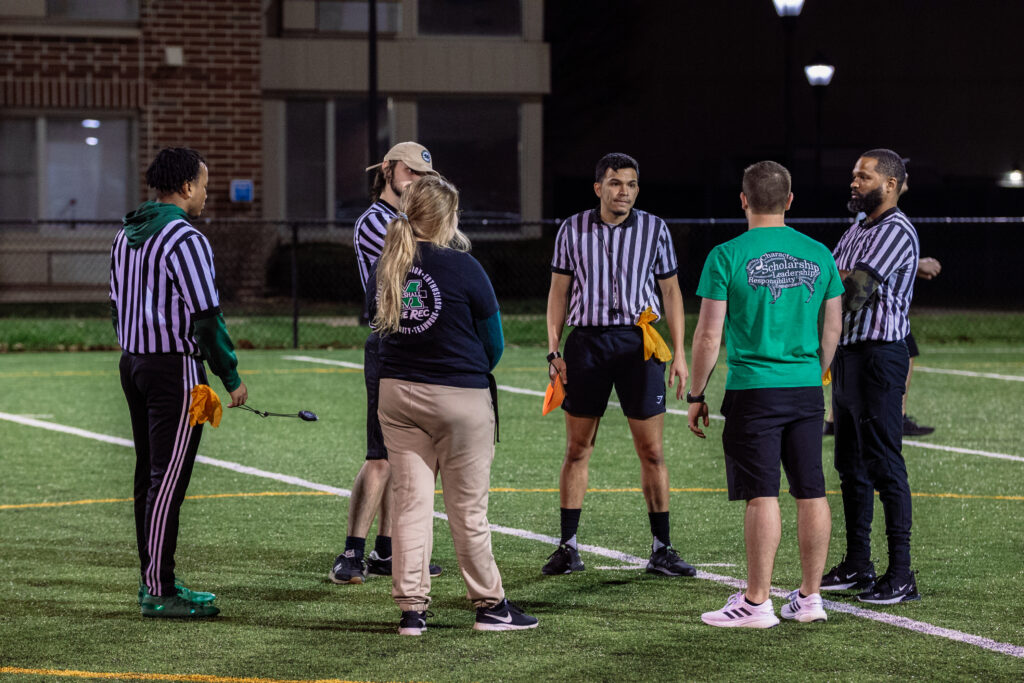 Across campus recreation, event services, aquatics, facility operations, and student life, student employment career readiness starts with meaningful work. Student employees open buildings, greet members, support programs, supervise activities, assist with events, solve problems, and help create the welcoming environments students and guests experience every day.
It is essential work. But when managed with intention, it can also become something more than a staffing model.
At CENTERS, part-time campus roles are designed as leadership development experiences. Part-time roles give students hands-on operational experience, real responsibility, mentorship, professional expectations, and opportunities to build confidence over time. In CENTERS-managed operations, students are not simply supporting daily functions. They are learning how complex campus environments work and developing skills they can carry into their careers.
For campus life operations, current research on work-based learning reinforces an important opportunity: campus work experiences can support career readiness when it is structured with coaching, accountability, and room to grow.
That philosophy continues to shape professionals across campus recreation, facility operations, events, and student life. For Sarah McGlumphy and Hope Michalek, student employment positions evolved into full-time opportunities within CENTERS-managed operations. For Jo Prociuk, now Associate Vice President of Talent and Innovation at CENTERS, an early student role at DePaul University became part of a longer professional journey that eventually led to corporate leadership.
Their stories reflect a broader CENTERS approach to student employee experience: identify potential early, create meaningful leadership opportunities, provide mentorship, and help students understand how the skills they build on the job can carry into their careers.
Student Employment Career Pathways Start on the Front Line
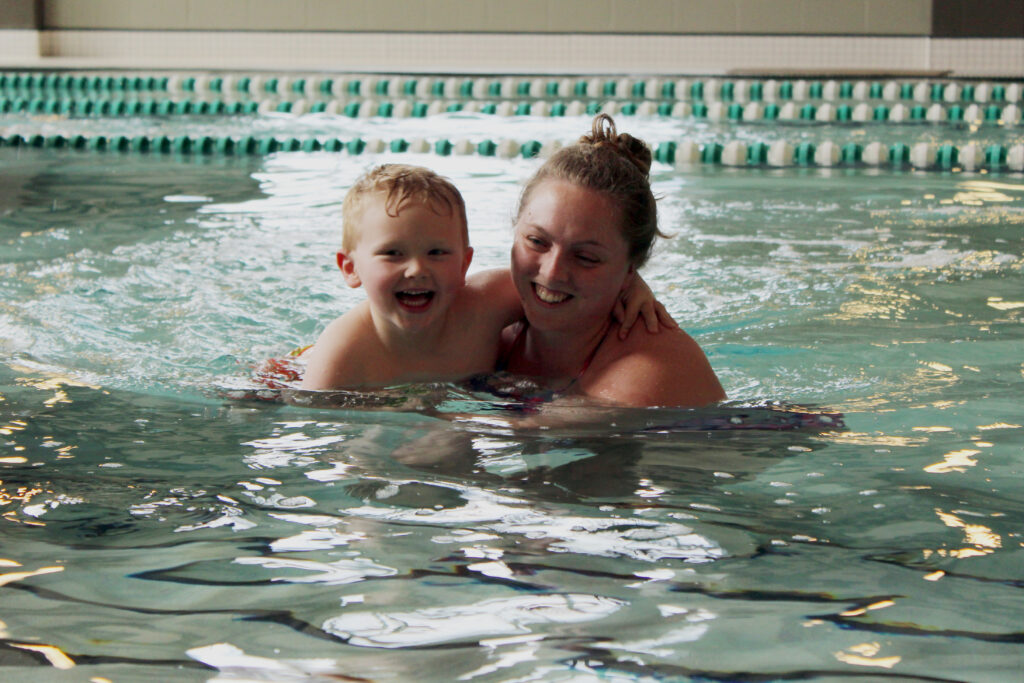
Sarah joined CENTERS in 2020 as a Swim Instructor and Aquatics Supervisor. Today, she serves as the Assistant Director of Aquatics & Rentals at Marshall University, overseeing two pools, facility rentals, swim lessons, programming initiatives, and part-time staff leadership.
Hope began her journey working in Membership Services and as an Entrance Attendant before growing into leadership responsibilities that eventually led her to her current role as the Coordinator of Facility Operations and Events at Moraine Valley Community College. Today, she manages campus rentals, oversees facility monitors, supports student staff development, and contributes to daily operational leadership across the facility.

That pathway also extends beyond site-level leadership. Jo Prociuk, now Associate Vice President of Talent and Innovation at CENTERS, began her career as a student employee at the Ray Meyer Fitness and Recreation Center at DePaul University, CENTERS’ first managed site. Over the course of her career, she has flowed in and out of CENTERS, returning in 2021 as the company’s first Director of Talent and Innovation.
Her path reflects the long-term reach of the CENTERS student development model. Prociuk went from student employee to campus recreation professional, became CENTERS’ first Director of University Recreation at Jacksonville State University, helped open multiple campus centers, and now supports the firm and its clients through recruitment, people development, and company innovation. Her career shows what can happen when early campus employment becomes part of a larger professional pathway.
The CENTERS Student Development Model
While their paths and operational areas differ, these examples reflect the same larger message: when student employees are trusted with responsibility, encouraged to explore new opportunities, and supported through mentorship and leadership development, their campus roles can become the foundation for meaningful professional growth.
That approach is central to the CENTERS model. Student employees are immersed in environments that require communication, adaptability, problem-solving, leadership, accountability, and collaboration from day one. They gain exposure to real operational challenges while learning how every interaction and decision contributes to the overall student and community experience.
Whether supporting aquatics, facility operations, event services, membership services, programming, or student engagement initiatives, employees are continuously developing skills that extend well beyond the role itself.
Hands-On Campus Operations Build Transferable Skills

For Sarah, growth came through a willingness to remain open to new opportunities, even those she never initially imagined herself pursuing.
“I ended up doing a little bit of everything,” she shared.
Over time, Sarah expanded her experience across aquatics, fitness, intramural sports, facility operations, and event operations. After graduating from college in 2021, she continued building her experience through graduate assistant positions in both Fitness and Facility Operations. Those opportunities allowed her to take on increasing operational responsibility while developing the confidence and decision-making abilities needed to transition into full-time leadership.
The flexibility to move across operational areas became one of the most impactful parts of her experience. Rather than staying in one lane, Sarah built a broader understanding of how programs, facilities, staffing, rentals, and customer experience connect to create successful operations. That exposure eventually led her to opportunities beyond her original role, including serving as an Aquatics Coordinator at another site before returning to Huntington and stepping into full-time leadership with CENTERS.
 Cross-Functional Experience Strengthens Student Leadership
Today, Sarah’s responsibilities span aquatics operations, rentals, programming oversight, staff leadership, and customer experience management. The role requires balancing multiple moving parts while supporting both operational efficiency and the development of part-time staff.
“Running two separate pools, programming, managing staff, and booking rentals has a lot of moving parts,” she explained.
She credits much of her ability to manage those responsibilities to the hands-on operational experience she gained early in her career.
“I learned early on in my GA position to manage school, teaching classes, and all my office work. It has helped me in my full-time role to be able to have my brain in multiple different areas at once.”
That ability to multitask, adapt, and navigate unfamiliar situations became one of the defining strengths of her leadership journey. One of the most impactful experiences in Sarah’s growth came from stepping into areas she never anticipated pursuing.
“Never in my life did I think I would run an intramural sports program,” she said, “but it’s the reason I became an Assistant Director.”
Sarah’s growth accelerated because she was encouraged to step into unfamiliar work. That cross-functional exposure gave her the confidence and operational range she uses today as a full-time leader.
“I have a little bit of everything under my belt, which makes helping others easy,” she explained.
Her story reflects a key part of the CENTERS experience: growth often happens when people are encouraged to step into unfamiliar work.
Mentorship and Student Staff Development Create Growth

For Hope, growth came through initiative, mentorship, and consistently raising her hand for opportunities to contribute beyond her initial responsibilities.
After beginning in Membership Services and as an Entrance Attendant, Hope quickly demonstrated a desire to become more involved operationally. Recognizing her leadership potential, professional staff encouraged her to take on additional administrative responsibilities and become more engaged in leadership initiatives throughout the facility. Rob Huizenga, Associate Director of Operations at Moraine Valley Community College and one of Hope’s mentors, became an important part of that growth.
“Rob saw that I was eager to do more and make an impact, always giving me the ability to grow into further responsibilities,” Hope shared.
As her role evolved, Hope became increasingly involved in operational leadership, student staff support, and administrative responsibilities. She participated in leadership committees, served as a Building Manager, and became a reliable resource for professional staff throughout her time as a student employee.
Her experience also extended beyond campus operations through involvement in professional organizations such as IIRSA and NIRSA. Encouraged by mentors to expand her involvement professionally, Hope served as the IIRSA State Student Leader and later as the Lead On Coordinator. Those opportunities helped shape her confidence and leadership ability early in her career.
“CENTERS constantly made me feel welcomed and supported, which was a big part in my success running Lead On in 2025, which remains the most valuable professional experience of my early career,” she explained.
Student Mentorship Builds Professional Confidence
Today, Hope’s full-time role includes overseeing campus rentals and events, managing facility monitors, supporting daily operations, and helping develop student staff members within the facility. The broad operational nature of her role reflects the diverse experiences and responsibilities she was exposed to during her time as a student employee.
Reflecting on her journey, Hope emphasized how the professional-level experience she gained as a student employee helped prepare her for life after graduation.
“I definitely felt more prepared entering the workforce post-college than most of my peers due to making the most of my time as a part-time employee with CENTERS,” she shared.
Through her experience, she developed skills in leadership, management, event planning, customer service, marketing, and facility operations, all while learning how to navigate professional expectations in a real operational environment.
“The range of skills I learned and developed was highly transferable to any industry,” she explained.
Beyond the operational experience itself, Hope also credits mentorship and professional support as major factors in her development.
“I had many mentors who looked out for me and were constantly willing to help me in any way they could, while still encouraging independence and autonomy.”
That balance of support and accountability is a defining element of the CENTERS student employment philosophy. Students are encouraged to lead, solve problems, think critically, and take ownership of their work while knowing they are supported by leaders invested in their development and success.
From Campus Staffing Model to Student Development Strategy
Together, Sarah, Hope, Jo, and many others across CENTERS-managed operations demonstrate what campus student roles can become when they are managed with intention. Career growth does not happen through observation alone. It happens through hands-on experience, operational exposure, mentorship, trust, and the opportunity to contribute meaningfully in environments that challenge students to keep growing.
At CENTERS, student employees are not viewed as temporary support staff. They are future leaders being developed in real time. Whether managing facility operations, supporting events, leading programs, overseeing aquatics, assisting members, or mentoring peers, students are given opportunities to strengthen communication skills, build confidence, improve decision-making, and develop professionally long before entering the full-time workforce.
This work also strengthens campus operations. Well-trained student employees improve the customer experience, support safer and more consistent daily operations, and help create the welcoming environments students, members, guests, and campus partners expect.
That investment creates long-term impact, not only for the individuals themselves, but also for the institutions, communities, and teams they go on to lead.
Why Student Employment Matters for Career Readiness
Gallup reported in 2023 that internships can provide students with valuable workforce experience and help them explore jobs and industries while seeking fulfilling career paths. The same article notes that prior Gallup research found recent graduates with a job or internship relevant to their degree were more than twice as likely to secure a good job immediately after graduation.
That makes student work a meaningful opportunity when it is structured with intention. In CENTERS-managed operations, part-time roles become places where students practice leadership, build professional confidence, and develop skills they carry into life after college.
Source: Gallup, “Four in 10 College Students Have Had Internship Experience”
Preparing Student Employees for Careers After College
Student employment can be one of the most powerful professional development tools institutions provide, but only when it is approached with intentionality. The work has to be managed. Expectations have to be clear. Mentorship has to be consistent. Students need opportunities to build confidence, practice leadership, and see how their daily responsibilities connect to something larger.
That is where the CENTERS model creates value. By professionalizing the student employee experience, CENTERS helps campuses turn essential staffing needs into stronger operations and meaningful student development.
That commitment remains foundational because the goal is never simply preparing students for the next shift. It is preparing them for what comes next in their careers.
As Hope put it simply: “Say yes to everything you can.”
For CENTERS, that invitation goes both ways. Students are encouraged to say yes to opportunity, and leaders are expected to create environments where those opportunities can become career-shaping experiences.
 About the Author