
INSIGHTS
Giving students meaningful responsibility requires a carefully designed framework of risk assessment, clear expectations, emergency plans, training, and professional oversight. CENTERS leads that preparation, strengthening campus operations while developing student leaders.
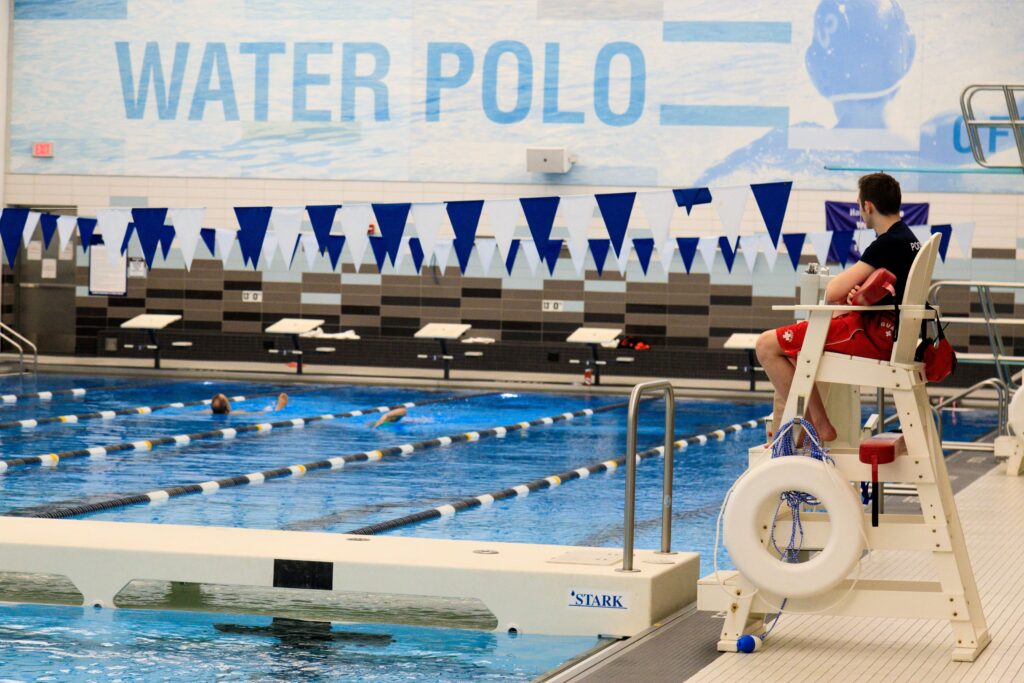
A man struggles in a pool. Another collapses in a recreation center locker room. A student employee encounters someone suffering from an electrical shock while walking to class.
Across separate incidents over the years, CENTERS student employees have used their training to respond. Last month, CPR was administered, and an AED delivered two shocks to a person on an intramural field at the University of Alabama at Birmingham before the person was transported to the hospital.
These moments challenge assumptions about what students are capable of doing. Limiting students’ responsibility can limit the leadership skills institutions want them to develop. Giving students consequential work, with deliberate preparation and professional support, strengthens operations and develops future leaders.
Developing Student Leaders Through Campus Employment
Student employees play an important role in managing campus recreation and student centers. Their responsibilities extend well beyond customer service into risk mitigation practices like resolving patron issues, identifying and addressing unsafe conditions, and responding to emergencies. These experiences develop sound judgment, clear communication, problem-solving skills, and accountability. Students apply those skills in work that directly affects the campus community and prepares them for their careers.
Gallup-Purdue research found that 71% of recent graduates who strongly agreed that their college job or internship allowed them to apply classroom learning were employed full-time, compared with 56% who strongly disagreed. The finding reinforces why learning should be deliberately built into campus employment.
CENTERS embraces student employment as an extension of the educational experience, building opportunities to develop critical thinking and interpersonal skills into daily operations. Students gain experience through progressively challenging responsibilities, supported by supervisors who provide coaching, feedback, and guidance. As students demonstrate readiness, they take on greater responsibility and learn to make decisions, manage challenges and risks, and recognize when to seek assistance.
This intentional focus on student growth and development is a key CENTERS differentiator. Responsibility matched with preparation and support puts student development theory into daily practice.
Building Readiness Through Training and Practice
Emergency Action Plans (EAPs) are among the most important components of a site’s risk management program. Each plan is customized to the facility, programs, staffing structure, and campus requirements of a specific location. The plans assign clear roles and responsibilities to student employees and professional staff, ensuring that every team member understands exactly what is expected of them during an emergency.
Developing capable student leaders requires formal instruction, realistic scenario training, and repeated practice. CENTERS establishes training standards based on the risks associated with each operation and role. Customer-facing employees hold first aid, CPR, and AED certifications, with additional qualifications required for higher-risk responsibilities such as aquatics.
Certification establishes foundational knowledge and skills. Scenario training puts that preparation to the test. A supervisor might approach a student at the fitness desk with a clearly identified exercise: Someone has collapsed on a nearby court. What happens next?
The response shows whether the employee knows the procedures, demonstrates the appropriate skills, communicates clearly, and responds effectively under pressure. Then a debrief identifies strengths and gaps. Repeated practice builds capability, and unannounced scenario checks assess whether they can apply their preparation during an ordinary shift.
CENTERS supports continued growth through formal reviews and development pathways for both part-time student employees and full-time professionals. Through observation and regular feedback, supervisors learn to distinguish confidence from capability. Some employees need more practice and encouragement; others need help recognizing the limits of their experience. Employees are encouraged to acknowledge uncertainty, because knowing when to seek help is an essential leadership skill.
The evaluation process also helps supervisors determine whether a student is well-suited for positions that carry emergency response responsibilities. While many students thrive in these roles, CENTERS recognizes that emergency response work is not the right fit for everyone. Students who lack confidence or comfort responding to emergency situations are often better matched with other campus employment opportunities where they can continue to develop professionally while contributing in ways that align with their strengths. The goal is to position every student for success while maintaining a safe environment for the campus community.
Empowering Student Employees to Manage Everyday Safety Risks
Prevention is the foundation of effective risk management. Safety is the first priority on every shift, and CENTERS’ student employees are given both the responsibility and authority to act within their roles. That ownership builds the expectation that a hazard is theirs to address, rather than someone else’s job.
When rain leaves an entrance wet, an employee gets a mop or secures the area and calls for assistance. The response follows directly from the expectation: notice the risk, take ownership, and follow through. Employees understand that their actions protect the people using their building. This culture makes safety part of daily work across positions and departments, with students serving as active stewards of the facility.
Turning Local Improvements Into Shared Standards
An improvement at one campus has greater value when other teams can learn from it. CENTERS’ Better is Better philosophy makes that exchange an intentional part of operations. Through its Program of Systems and Standards (POSS), professionals across CENTERS managed locations share experience, evaluate approaches, and refine practices. Local insights inform shared standards, which teams apply and continue to improve in their own settings.
That collaboration extends beyond an annual conference or occasional conversation with a colleague. The risk management POSS team meets monthly to compare experiences, review practices, and refresh guidance. Location teams draw on collective expertise to develop emergency plans suited to their facilities and campus requirements.
The student development POSS team has standardized student employee reviews and surveys of employee satisfaction, supporting supervisors as they assess performance and development needs. Clients and students benefit from an operating approach that continually improves through the collective experience of the campuses CENTERS serves.
Greater Student Responsibility with an Accountable Operating Partner
Giving students meaningful responsibility requires substantial professional work behind the scenes. An operating partner takes on that work: assessing risk, establishing expectations, preparing employees, and supporting their performance.
CENTERS also has a contractual stake in that performance. Its risk transfer approach provides several layers of protections through liability insurance, additional insured status, and indemnification provisions established in the applicable agreements. For university leaders, the priorities include student safety, institutional reputation, and financial exposure. Professional oversight and contractual protections support meaningful opportunities for students to lead. The institution advances its educational mission with an accountable partner managing daily operations and continually improving the practices behind them.
Source: Gallup, “Useful Internships Improve Grads’ Chances of Full-Time Work,” November 19, 2014.
 About the Author