
PEOPLE SPOTLIGHT
How Erin Stevenson Is Transforming Summer Camps into Lasting Campus Connections
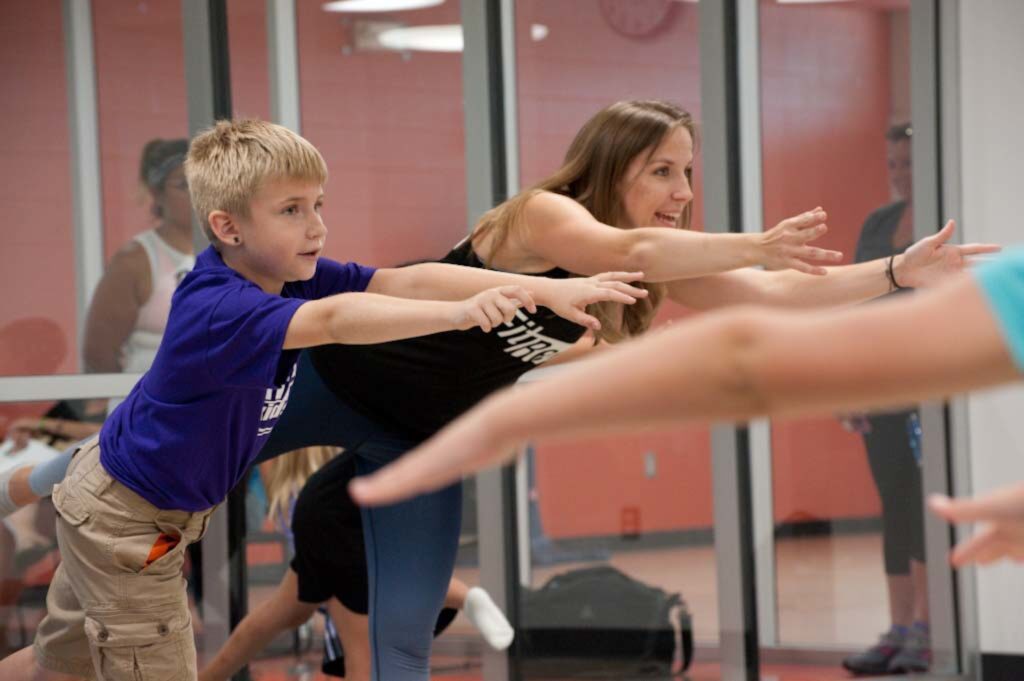
More than a decade ago, Erin Stevenson set out to create programs that would help children grow beyond the classroom. Today, as Assistant Director of Youth Programs and Community Outreach at Moraine Valley Community College (MVCC), she has turned that vision into a college summer camp model that strengthens community connections, introduces families to campus, generates meaningful auxiliary revenue, and demonstrates how campus recreation can serve as a gateway to the institution.
A Passion Turned Into Purpose
For Erin, summer camps have never been about simply filling a child’s day. They are an opportunity to build confidence, develop life skills, foster meaningful relationships, and create experiences that children carry with them long after summer ends. That philosophy is the foundation of KidRec, transforming summer camps from a seasonal offering into a strategic investment in both families and the college’s future.
Erin’s journey into youth programming began with the founding of The Do Good Movement, an organization dedicated to social-emotional learning, health, and wellness for children and adults. Several of the organization’s earliest youth programs were piloted at FITREC, where she saw firsthand how intentional programming could positively influence children and families. Those experiences laid the groundwork for the approach she continues to champion today.
“As both a mom of three and someone who has dedicated my career to supporting children, I’ve always believed kids deserve more than just a place to spend the day,” Erin said. “They deserve opportunities to build confidence, develop life skills, create meaningful relationships, and discover who they are.” That belief continues to guide every decision, from curriculum development and staff training to partnerships and program design.
More Than a Summer Camp
While summer camps are often viewed as a seasonal offering, Erin sees them as one of the most impactful introductions a family can have to campus recreation and, in many cases, to higher education itself. For many children, camp is their first experience walking through campus, interacting with professional staff, and discovering what a college environment offers. Those first impressions can become long-lasting relationships.
Campers and their families frequently return for other KidRec programs and recreation memberships, while some participants later become student employees or prospective students. “By investing in quality youth programming today, we’re investing in the future of our campus community while creating lifelong connections with families,” Erin said.
Creating Connections That Extend Beyond Summer
Although summer camps generate valuable auxiliary revenue, Erin believes their greatest return is measured in relationships. As families return year after year, the college becomes more than a destination for summer programming. It becomes a trusted community partner. Parents begin exploring memberships, youth sports, educational opportunities, community events, and continuing education, creating engagement that extends well beyond the camp season.
One example is KidRec’s collaboration with MVCC’s Center for Corporate and Continuing Education (CCCE). Through the partnership, families interact with faculty and staff, experience college facilities, and gain exposure to educational opportunities that may one day influence future enrollment decisions. Erin describes the experience as a preview of what the college has to offer and a connection that can continue long after camp concludes.
The Power of Collaboration
One of the defining characteristics of KidRec’s success has been its commitment to partnership. By aligning the program with CCCE, academic departments, athletics, and other campus partners, KidRec expands opportunities for campers while making better use of existing expertise, staff, and facilities. Campers benefit from experiences beyond traditional recreation programming, while each department across campus contributes its unique strengths.
The result is a more connected campus experience for the families the college serves. It also demonstrates the broader value created when people, programs, and resources are coordinated across operations rather than managed in isolation. “When campus departments work together, everyone benefits, especially our families,” Erin said.
Excellence Is Built Year-Round
While campers experience only a few weeks of programming, successful camps require months of preparation. Planning begins almost immediately after the previous summer concludes. Programs are evaluated, new classes are developed, staff members are recruited and trained, safety protocols are reviewed, supplies are ordered, marketing campaigns are launched, and partnerships are strengthened well before registration opens.
Recognizing that families are looking for quality programming year-round, KidRec has also expanded beyond summer to include spring break, holiday, and other school break camps. Equally important is the investment in student staff. Training extends beyond logistics to focus on child development, active supervision, CPR certification, safety, and creating experiences that leave a lasting impression on every camper. “When you invest in your staff, everything else follows,” Erin said.
Listening Leads to Innovation
Rather than chasing industry trends, Erin believes the best ideas begin by listening. Her perspective as both a youth programming professional and a parent has helped her better understand what today’s families truly value. That insight led the team to rethink what makes a college-based summer camp unique.
Instead of competing with traditional camps, KidRec leaned into one of its greatest advantages: access to a college campus. By partnering with academic departments, the program introduced educational enrichment opportunities that complement recreation activities, allowing campers to continue learning while still enjoying everything they love about summer. The approach resonated with families. By spring, camp sessions had sold out, and KidRec had reached record enrollment before the summer season began.
Developing Future Leaders
For Erin, success is measured by the lasting impact a program has on its participants. Former campers Erin and Kathleen Norton are among her favorite examples. They began as campers, became junior counselors, and later joined KidRec as attendants. Together, they developed an after-school dance program that continues to thrive today.
Their journey reflects what Erin hopes every camper gains through the program: confidence, leadership, and a desire to give back. “That’s what success looks like,” Erin said. “Not just creating a great summer but creating leaders.”
Looking Ahead
As the needs of families continue to evolve, Erin believes colleges and universities have an opportunity to rethink the role youth programming can play within their communities. Families are seeking experiences that help children grow academically, socially, emotionally, and physically. College campuses are uniquely positioned to meet those needs by bringing together recreation, academics, athletics, continuing education, and community partnerships in ways few other organizations can.
When institutions listen to families, embrace collaboration, and are willing to reimagine what’s possible, youth programming becomes much more than a summer camp. It becomes a bridge between campus and community, a source of sustainable growth, and a place where the next generation of learners, leaders, and lifelong community members begins its journey.
 About the Author